
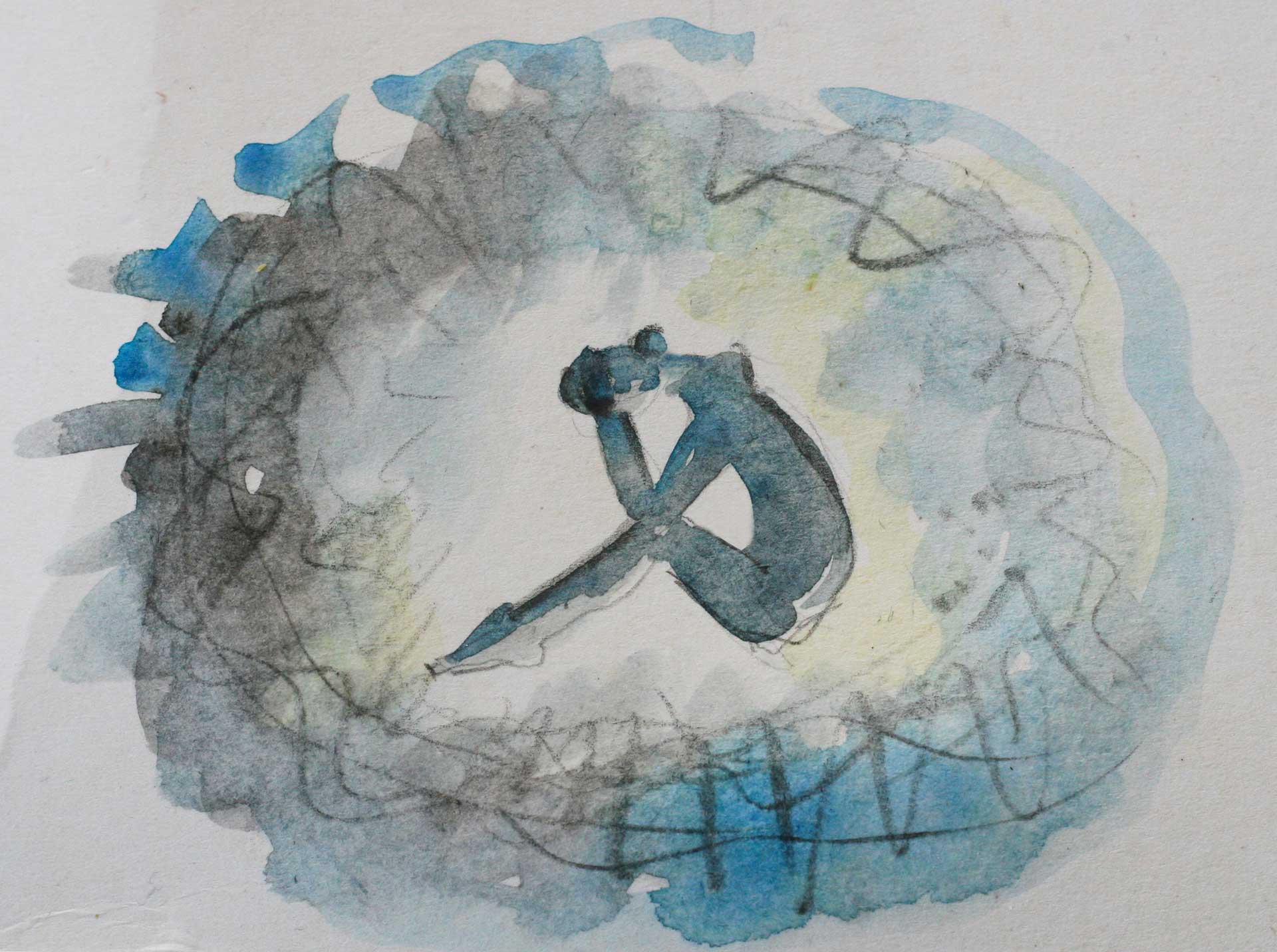
Soul Loss
Soul loss is a spiritual response to trauma, where vital aspects of the soul leave the body to protect us from overwhelming pain. It can leave us feeling disconnected, incomplete, or emotionally numb. In the sections below, you’ll learn what soul loss is, how it manifests, and why recognizing the signs is the first step toward healing and spiritual reintegration.
Soul Loss: The Hidden Wound
In shamanic traditions around the world, soul loss is considered one of the primary causes of emotional suffering, chronic illness, and spiritual disconnection. Unlike medical or psychological diagnoses, soul loss is a spiritual condition—a fracture in a person’s essence that results from trauma, shock, or overwhelming life experiences.
What Is Soul Loss?
Soul loss occurs when a part of a person’s vital essence—what many cultures would call the soul, life force, or spirit—leaves the body to survive a traumatic event. This response is viewed as a natural and protective mechanism. From a shamanic perspective, the soul fragment leaves to shield the person from the full impact of physical, emotional, or spiritual pain.
In modern psychological terms, this can be likened to dissociation, where the mind detaches from the present moment to avoid psychological harm. However, in the shamanic worldview, this detachment is not only mental or emotional—it’s energetic and spiritual. The soul part that leaves may not return on its own, leading to a wide array of long-term effects that can persist for years or even decades.
Common Causes of Soul Loss
- Accidents or physical trauma
- Childhood abuse or neglect
- Loss of a loved one
- Sudden shock or betrayal
- Divorce, heartbreak, or abandonment
- Sexual assault or violence
- Substance abuse or addiction
- Surgery or medical procedures
- Emotional overwhelm or long-term stress
These events can overwhelm our ability to cope. Soul loss is the psyche’s way of saying, “This is too much to bear—I need to leave for now.”
Symptoms of Soul Loss
Soul loss may manifest in subtle or profound ways. People who are experiencing soul loss often say things like:
- “I don’t feel like myself.”
- “Something’s missing.”
- “I feel numb or disconnected.”
- “There’s a part of me that shut down after that happened.”
From a shamanic lens, these are not just metaphors—they are descriptions of an actual spiritual condition. Symptoms can include:
- Chronic fatigue or unexplained physical symptoms
- Persistent sadness, grief, or emotional numbness
- Addictive behaviors or compulsions
- Anxiety, depression, or a sense of floating through life
- Difficulty being fully present in the moment
- Low self-worth or chronic indecision
- Memory gaps around traumatic events
- A haunting sense that “a piece of me is gone”
Soul Loss vs. Dissociation
It’s important to understand that while soul loss and dissociation share similarities, they stem from different worldviews. Dissociation is a psychological concept describing a mental disconnection from emotions, thoughts, or identity. It is often linked to PTSD or complex trauma.
Soul loss, on the other hand, is a spiritual condition. The two can coexist and often do. Many who experience soul loss also show signs of dissociation—but soul retrieval addresses the energetic root of the disconnection, not just the psychological symptoms.
Where talk therapy might help someone understand their trauma, soul retrieval works to restore what was lost, inviting back the part of the self that fled in the moment of crisis.
Why Soul Loss Matters
When parts of the soul are missing, a person may continue to function—but not fully. They may achieve outward success while still feeling empty inside. They may enter relationships but find it difficult to form deep emotional bonds. They may try every form of self-help, therapy, or spiritual practice and still feel something is out of reach.
That “something” may be their own soul essence, waiting to be retrieved.
Does this resonate with you or someone you love?
If you’ve recognized yourself—or someone close to you—in these words, know that you’re not alone. Soul loss is more common than most people realize, and there is a path to wholeness. Reach out to Maia today to begin the healing journey or share this page with someone who may need it. Sometimes, just knowing there’s a name for what you’ve been feeling is the first step toward transformation.
